

Advent Reflection,on Spiritual Purification as Spoken of in Matthew’s Gospel
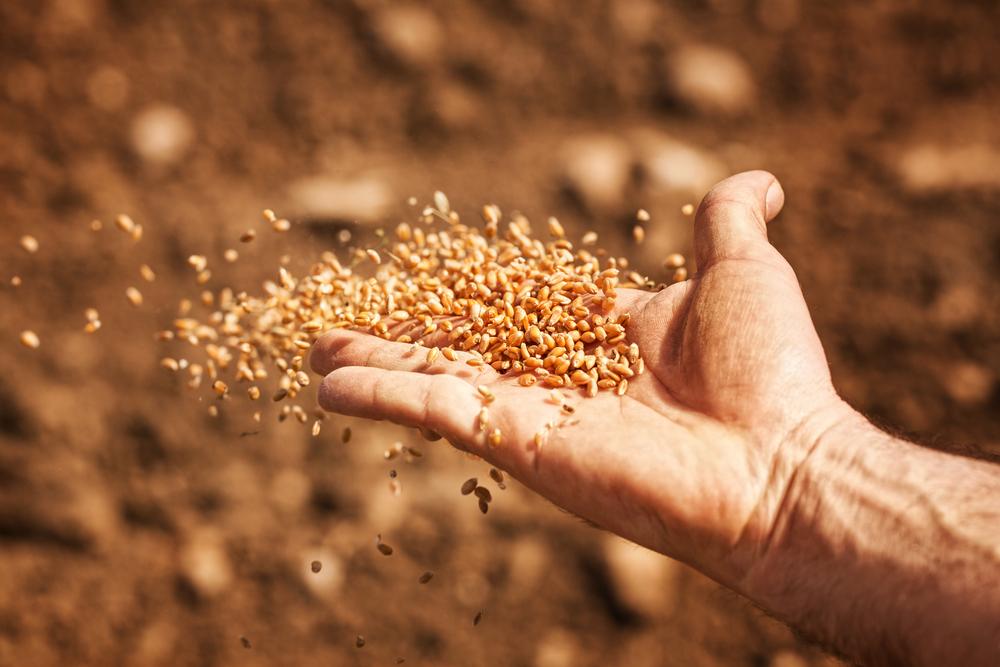
As we journey through the season of Advent, we are reminded that what God plants in our hearts is not only for today,
but also develops into maturity as we await the final fulfillment of all God’s promises.
Matthew 15:10-20
I think it is fair to say that Jesus was anything, but politically correct in relation to the times he lived in.
In Matthew’s Gospel, we learn how he was confronting a community steeped in tradition.
In particular, he was addressing the Pharisees about their deeply ingrained eating traditions.
Because the lives of the Jewish people of the time were steeped in ancient rituals, and these became more important than anything else to them.
Jesus called the crowd to listen to a lesson and told them;
“It is not what goes into the mouth that defiles a person, but what comes out of the mouth.” (Matthew 15:11).
This public declaration challenged the authority of the Pharisees, who accused him of disregarding their tradition.
St Matthew’s gospel explains how Jesus then shifted the focus from external ritual to internal reality.
The Moral Lesson
He was saying purity is not about compliance with inherited ancient customs, but about the condition of the heart.
This unsettled his Jewish disciples, and they told Jesus the Pharisees were offended.
So Jesus confronted their entrenched systems head-on by responding with a vivid image:
and I can almost imagine smoke coming out of his ears when he said;
“Every plant that my heavenly Father has not planted will be uprooted.” (Matthew 15:13).
With this radical metaphor, Jesus was referring to ultimate and divine judgment by God – versus false secular teachings.
Rituals not rooted in God’s will are destined to collapse, he was saying.
However, what is planted by God endures; what is man‑made fades, he concluded.
The disciples were puzzled by these words.
When Peter asked for clarification, Jesus explained bluntly:
‘food passes through the body and cannot touch the heart’.
Which is a biological fact that no one can deny – then or today.
Jesus meant it’s what emerges from within us—unkind thoughts, slander, pride, malice, and so on, that are the real pollutants of our soul – rather than any kind of food.
This Teaching Resonates as much Today as it did Then
Traditions, old and new, may take the form of polished reputations, curated identities, or rigid routines.
Yet Jesus insists:
God looks at the roots—whether our lives are planted in His truth or in human vanity.
Matthew’s retelling of Jesus’ teaching asks the question:
What is Planted in our Hearts Today?
If it is vanity, selfishness, or pride, then what comes from our heart out of our mouth will defile us.
But God plants his good seeds deep within the depths of our hearts.
Then when we nurture the seeds in humility and frames of faith, what comes from our heart and mouth will bless ourselves and others.
Because traditions and rituals shift over seasons and centuries, but the heart remains the true battleground of purity and holiness.
Jesus calls us to tend the soil of our souls and uproot what our hearts tell us is false, and cultivate what is good, holy, and eternal.
Because we may well get some sort of reward in this life when we follow the masses, and the many distractions available today, but it will only last for a short while.
However, when we look to eternity and what pleases God, then great will our reward in heaven be.
And this is the message Jesus had for the people of ancient Jerusalem and for us of today.
Advent is a season we can reflect on this teaching and carry out some gentle pruning in our own ingrained and instinctive thoughts.
As we do this, we will allow joy and truth to better see the light and develop unhindered.
You can find a Church near you by clicking on the image below: